Nursing Home in North Devon: Signs It Might Be Time to Consider a Nursing Home
It often starts small. A missed pill. A fall that seemed minor at the time. A meal left half eaten, again. On their own, none of these feels like a turning point. But it's usually this quiet build-up, not one dramatic event, that eventually leads to the same question: is it time for a nursing home?
If you're asking yourself that right now, you are probably tired, a little guilty, and unsure whether you're overreacting or underreacting. This guide covers the signs worth paying attention to, how a nursing home differs from a care home, and what to expect from a nursing home in North Devon.
Common Signs It's Time for a Nursing Home
Most families expect one clear, obvious sign. In reality, it's almost always a pattern. Signs worth paying attention to include:
- Falls that are becoming more frequent, or a fall that led to a hospital stay
- Noticeable weight loss, or someone who has quietly stopped eating properly
- Medication being missed, doubled up, or managed incorrectly
- Confusion that's worsening, particularly around medication or safety
- Skin that isn't healing well, or pressure sores developing
- Frequent trips to A&E or repeated hospital admissions
- A family carer who is exhausted, unwell, or reaching their limit
Any one of these on its own might not mean much. Together, especially alongside an ongoing health condition, they usually mean the level of support needed has moved beyond what family or home carers can safely manage, and it's worth looking into what a nursing home actually offers.
Nursing Home vs Care Home: What's the Difference?
One thing that catches a lot of families out is assuming "care home" covers everything. There's an important difference between a residential care home and a nursing home, and getting this right affects whether your parent gets the right level of support.
A residential care home is built around help with daily living: washing, dressing, meals and company, for people who are otherwise reasonably well. A nursing home goes further. It means registered nurses are on site providing 24 hour nursing care, able to manage medication, monitor changing health conditions, care for pressure-prone skin, and respond quickly if something goes wrong medically. Many nursing homes, including Highwood’s dementia nursing care, also support residents whose memory loss comes alongside more complex physical health needs.
If your parent has a health condition that needs regular clinical attention, has had several falls, or has recently been in hospital, a nursing home is usually the safer, more appropriate choice over general residential care.
What Does 24 Hour Nursing Care Actually Involve?
This is the part families often aren't fully clear on when they start looking at a nursing home. Round-the-clock nursing care means a registered nurse is always present, day and night, not just care assistants. That covers administering and managing medication safely, monitoring health conditions that can change quickly, wound and pressure care, and being able to respond immediately if a resident becomes unwell, rather than waiting for a GP visit or an ambulance.
This is the core of how nursing care works at Highwood and it's often the single biggest relief a nursing home provides.
When Weight Loss or Not Eating Becomes a Warning Sign
This is one of the things families often describe feeling most helpless about. Someone who used to enjoy meals suddenly eating less, forgetting to eat, or losing weight without explanation. It's easy to put down to "just getting older," but unexplained weight loss is frequently one of the clearest signs that a person's needs have changed, whether that's difficulty preparing food safely, swallowing changes, or an underlying health condition that hasn't been picked up yet.
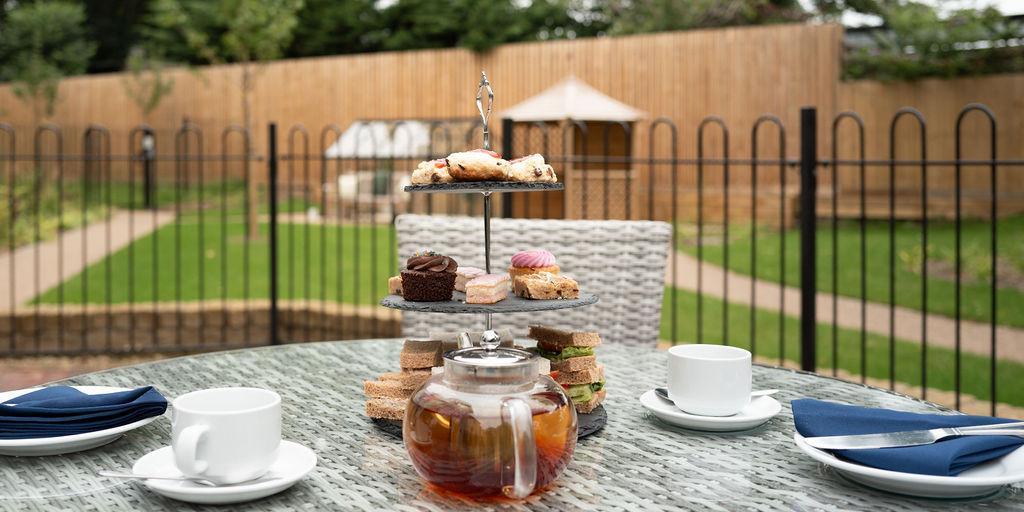
In a nursing home, meals, nutrition and swallowing needs are actively monitored by a clinical team, not left to chance. At Highwood, this happens through our approach to dining where meals are tailored to each resident’s dietary and health needs, not just their preferences because we offer person centred care.

The Guilt Is Normal, and It Doesn't Mean You're Making the Wrong Choice
It's worth saying plainly: feeling guilty about this decision doesn't mean it's the wrong one. Nearly every family who tours a nursing home describes the same conflict, wanting to keep a parent at home out of love, while quietly worrying about their safety every single day.
Choosing a nursing home isn't giving up on caring for someone. It's recognising that their needs now require round-the-clock clinical support that's genuinely difficult, and sometimes unsafe, to provide at home alone. If you’d like to hear how that's worked out for other families you can read families’ reviews of Highwood on carehomes.co.uk.
A Private Nursing Home in Bideford, Near Barnstaple
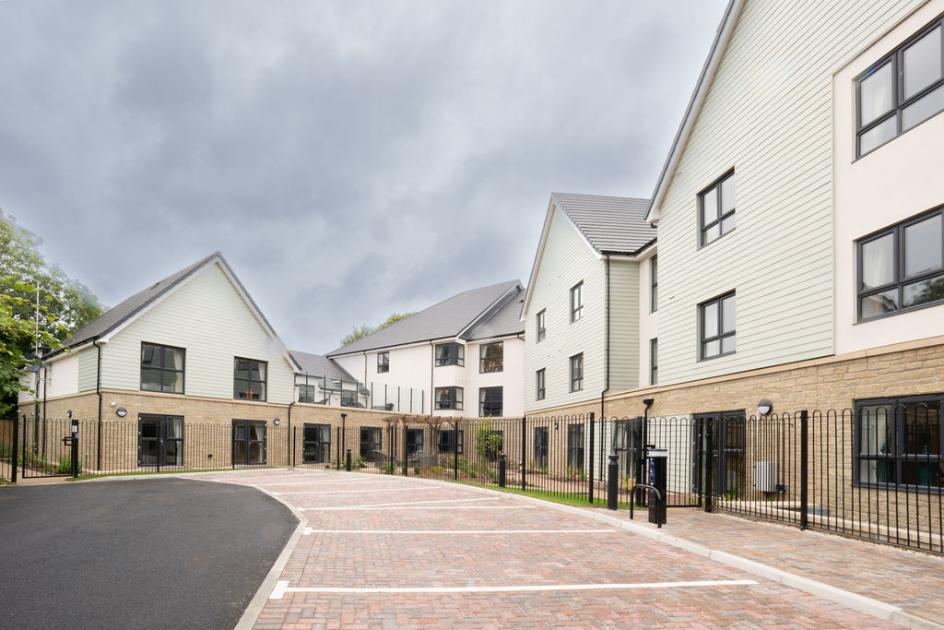
Highwood Care home is a purpose-built, private nursing home in Bideford, North Devon, offering Nursing, Dementia, Residential, Respite and Palliative Care under one roof, and welcoming families from Bideford, Barnstaple and across the wider North Devon area. Every bedroom is en-suite, and residents have access to a holistic therapy room, cinema, café, hairdressing salon, sensory room and landscaped gardens with views towards the River Torridge.
Because Highwood provides nursing and dementia nursing care alongside residential support, a resident's care can adapt as their needs change, without a stressful move to an unfamiliar home at an already difficult time. If you're still weighing things up, our Respite Care service also offers a short-term stay, giving your family real insight before committing to anything permanent.

Frequently Asked Questions
How do I know if my parent need a nursing home rather than a care home?
If your parent has an ongoing health condition, has had recent falls or hospital stays, or needs regular clinical monitoring or medication management, nursing care is usually more appropriate than general residential care.
What does 24 hour nursing care actually mean?
It means a registered nurse is on site at all times, able to manage medication, monitor health conditions, and respond immediately to a medical concern, rather than relying on a GP visit or hospital trip.
Is there a dementia nursing home option in North Devon?
Yes. Nursing homes like Highwood provide dementia nursing care for residents whose memory loss is combined with more complex physical health needs, alongside general nursing and residential care.
Is unexplained weight loss a sign someone needs a nursing home?
Yes, it's one of the more common warning signs families miss. It can point to difficulty preparing food, swallowing changes, or an underlying health issue, all of which are actively monitored in a nursing home setting.
Where is Highwood's private nursing home located?
Highwood is a private nursing home on Abbotsham Road in Bideford, North Devon, close to Barnstaple and the wider North Devon coast.
What to Do Next
If several of the signs above sound familiar, the next step doesn't have to be a big decision made overnight. Book a tour or call our team. We're happy to talk it through honestly, including whether a nursing home is the right fit at all, with no pressure either way.